Property managers face serious compliance risks. Over the past decade, property management companies have been cited 1,372 times by OSHA, with the largest single fine reaching $2.35 million for 45 willful violations.
The financial impact extends beyond fines. Poor safety records increase insurance premiums by 20-40%, while a single serious injury costs $20,000-$100,000+ in direct expenses. Fall protection has been the #1 most cited violation for 14 consecutive years, affecting property management operations across maintenance, repair, and renovation activities.
This guide breaks down the most common OSHA violations in property management and provides prevention strategies to protect your team and bottom line.
What Are the Top OSHA Violations Property Managers Face?
OSHA’s most recent enforcement data reveals ten violations that appear repeatedly in property management operations. Based on federal citations and industry analysis, these violations consistently pose the greatest risk to property management companies:
1. Fall Protection (29 CFR 1926.501)
Most Cited Violation: 14 consecutive years as #1 | Penalty: Up to $165,514 for willful violations
Maintenance staff change exterior lights from ladders without fall arrest systems. Workers clean gutters on three-story buildings without guardrails. Roof inspections happen without proper protection. Violations occur at heights as low as six feet.
Prevention: Identify all tasks involving work above six feet. Install permanent guardrail systems or roof anchors. Provide personal fall arrest systems and train employees on proper use. Document all training and inspections.
Effective property and unit management includes systematic safety tracking for maintenance activities involving heights.
2. Hazard Communication (29 CFR 1910.1200)
Frequently Cited | Penalty: $16,550 per violation
Pool chemicals, cleaning products, paints, and pesticides require proper documentation. Violations occur when Safety Data Sheets aren’t accessible, containers lack labels, or employees haven’t received hazard training.
Prevention: Develop a written Hazard Communication Program. Create a master chemical inventory. Collect Safety Data Sheets and make them accessible. Label all containers, including spray bottles. Train employees on chemical hazards and emergency response.
For commercial property management operations, centralized chemical tracking across buildings ensures consistent compliance.
3. Ladder Safety (29 CFR 1926.1053)
Frequently Cited | Penalty: $16,550 per violation
Daily maintenance tasks, such as changing bulbs, HVAC filters, and gutter inspections, all use ladders. Violations happen with damaged ladders, improper setup, or failure to maintain three-point contact.
Prevention: Inspect ladders before each use. Remove damaged equipment immediately. Train employees on proper setup (4-to-1 ratio for extension ladders, three-foot extension above landing). Require three-point contact while climbing.
4. Respiratory Protection (29 CFR 1910.134)
Frequently Cited | Penalty: $16,550 per violation
Asbestos abatement, mold remediation, and lead paint work require respiratory protection. Violations occur without medical evaluations, fit testing, or written programs.
Prevention: Establish a written respiratory protection program. Conduct medical evaluations before respirator use. Perform annual fit testing. Train employees on proper use and maintenance. Maintain all records.
5. Lockout/Tagout (29 CFR 1910.147)
Frequently Cited | Penalty: $16,550 per violation
HVAC maintenance, electrical work, and equipment servicing involve hazardous energy. Violations happen when equipment isn’t locked out before maintenance, or procedures don’t exist.
Prevention: Develop equipment-specific energy control procedures. Provide lockout devices. Train authorized and affected employees. Conduct annual procedure inspections. Document everything.
6. Powered Industrial Trucks (29 CFR 1910.178)
Frequently Cited | Penalty: $16,550 per violation
Warehouse properties and loading docks use forklifts. Violations include untrained operators, no daily inspections, or inadequate refresher training.
Prevention: Provide comprehensive operator training and evaluation. Require refresher training every three years. Perform daily equipment inspections. Maintain training documentation.
7. Fall Protection Training (29 CFR 1926.503)
Frequently Cited | Penalty: $16,550 per violation
Even with equipment available, violations occur when employees lack training on fall hazard recognition and proper equipment use.
Prevention: Train employees before working at heights. Cover hazard recognition, equipment selection, proper usage, and inspection. Retrain when conditions change. Document all training.
8. Scaffolding (29 CFR 1926.451)
Frequently Cited | Penalty: $16,550 per violation
Exterior painting, repairs, and façade maintenance use scaffolding. Common violations: no fall protection over 10 feet, improper foundation support, incomplete planking, unauthorized access methods.
Prevention: Only competent persons should erect scaffolds. Ensure solid foundations and guardrails on platforms over 10 feet. Thoroughly plank work surfaces. Provide proper access (ladders or ramps). Inspect before each shift.
9. Eye and Face Protection (29 CFR 1926.102)
Frequently Cited | Penalty: $16,550 per violation
Chemical handling, power tools, grinding, and painting create eye hazards. Violations occur when protection isn’t provided or employees don’t use available equipment.
Prevention: Conduct hazard assessments. Provide appropriate protection for each hazard: safety glasses for impacts, goggles for chemicals, and face shields for grinding. Accommodate prescription lens wearers. Train employees on proper use.
10. Machine Guarding (29 CFR 1910.212)
Frequently Cited | Penalty: $16,550 per violation
Lawn equipment, snow removal machines, and workshop tools have moving parts. Violations happen with missing guards or guards removed and not replaced.
Prevention: Inspect all equipment for adequate guarding. Never remove guards unless equipment is locked out. Replace guards before returning to service. Train operators on guard purposes and the dangers of unguarded equipment.
How Much Do These Violations Actually Cost?
Beyond direct penalties, violations trigger high indirect costs:
Direct Penalties (2025):
- Serious violation: $16,550 per violation
- Willful/repeated: $165,514 per violation
- Failure to abate: $16,550 per day
Indirect Costs:
Workers’ compensation premiums increase 20-40% following serious violations. A single injury costs $20,000-$100,000+ in direct expenses, with indirect costs running 2-4 times higher. Legal fees, reputational damage, and tenant concerns compound the financial impact.
According to the National Safety Council, workplace injuries cost U.S. employers over $167 billion annually. Every dollar invested in safety returns $4-$6 in cost savings.
What Happens During an OSHA Inspection?
Understanding the process helps you respond appropriately:
Verify Credentials: Check the inspector’s identification. Call your local OSHA office if you have concerns.
Opening Conference: The inspector explains the reason, requests records, and outlines scope. Designate a knowledgeable management representative to accompany the inspector.
Walkaround: The inspector reviews records (OSHA 300 logs, training documentation), inspects facilities, takes photographs, and interviews employees privately. Stay with the inspector, take notes, provide requested documents promptly, but don’t volunteer additional information.
Closing Conference: The inspector discusses apparent violations and estimates citation timing (typically within six months). Ask for clarification but don’t admit violations. Take detailed notes.
After Inspection: Citations arrive by certified mail. You have 15 working days to contest. Failing to contest makes the citation final and unappealable.
A comprehensive OSHA inspection checklist helps you identify and address issues before citations occur.
How Do You Build an Effective Compliance Program?
A systematic approach protects your team and organization:
Phase 1: Foundation (Weeks 1-4)
Designate a safety coordinator. Conduct initial hazard assessments across all properties. Review applicable OSHA standards and state-specific requirements.
Phase 2: Documentation (Weeks 5-8)
Develop written programs: Hazard Communication, Personal Protective Equipment, Emergency Action Plan, Fall Protection. Create standard operating procedures for routine tasks.
Phase 3: Training (Weeks 9-16)
Provide OSHA 10-Hour training for workers ($75-$150 per person) and OSHA 30-Hour for supervisors ($200-$400). Deliver specialized training based on tasks. Document everything.
Phase 4: Implementation (Ongoing)
Establish inspection schedules, daily supervisor observations, weekly equipment checks, monthly property audits, and quarterly program reviews. Implement recordkeeping for OSHA Form 300 (if 11+ employees), training records, and equipment inspections.
Portfolio management solutions that integrate safety compliance tracking provide visibility across properties from a single dashboard.
What Are the Warning Signs of Compliance Problems?
Certain conditions indicate elevated risk:
Physical Red Flags:
- Damaged ladders still in use
- Missing guardrails on elevated surfaces
- Unguarded machinery
- Unlabeled chemical containers
- Blocked emergency exits
Documentation Red Flags:
- No written safety programs
- Incomplete training records
- Missing OSHA 300 logs (if required)
- No Safety Data Sheets for chemicals in use
Behavioral Red Flags:
- Employees report no safety training
- Workers don’t know where Safety Data Sheets are
- Staff routinely work without required PPE
- Near-misses aren’t reported
- Safety concerns are dismissed
Operational Red Flags:
- Multiple recent OSHA citations
- Increasing workers’ compensation claims
- High maintenance turnover
- Frequent contractor safety incidents
Managing compliance deadlines across properties requires systematic tracking. Our property management compliance calendar provides a month-by-month framework for OSHA and other requirements.
Which Resources Support Property Management Compliance?
Free OSHA Services:
The On-Site Consultation Program provides free, confidential advice for small businesses. Consultants identify hazards, suggest corrections, and assist with training without citations. Find consultants at OSHA’s directory.
Industry Associations:
The National Apartment Association offers residential property management resources. The Institute of Real Estate Management provides safety courses for the Certified Property Manager certification. BOMA International focuses on commercial properties.
Training Resources:
OSHA 10 and 30-Hour courses are available online from authorized providers. Specialized training for lead paint, asbestos awareness, and confined spaces is available through EPA-accredited providers.
Technology Solutions:
Safety management software like iAuditor ($19-49/user/month) provides digital checklists, incident reporting, training tracking, and analytics. Mobile accessibility enables real-time hazard reporting with photos.
Why Do Some Companies Excel at Safety?
The difference comes down to culture, not just compliance:
Leadership Commitment: Top performers treat safety as a core value. Executives participate visibly in safety activities and include metrics in performance reviews.
Employee Involvement: Strong safety cultures engage employees at all levels through safety committees, near-miss reporting, and suggestion programs.
For residential property management companies with distributed teams, digital tools maintain consistent safety messaging.
Proactive Hazard Identification: Leading companies conduct job hazard analyses and regular inspections. Risk assessments happen during planning, not after work begins.
Resource Allocation: Effective programs require an investment of 2-5% of operating budgets for training, equipment, and services. This returns $4-$6 for every dollar spent.
What’s Next for OSHA Enforcement?
Several trends will shape future enforcement:
Increased Penalties: Annual inflation adjustments continue, with serious violations exceeding $20,000 within years.
Heat Illness Prevention: Federal standard expected within 1-2 years. Property managers should establish protocols now: provide water, rest, and shade; train on heat illness recognition; modify schedules during extreme heat.
The Olivet Management case demonstrates that willful disregard for safety can result in multi-million dollar penalties and criminal referrals.
Technology Integration: Remote monitoring, IoT sensors, and predictive analytics become more prevalent. Property managers should consider how technology enhances safety while managing new risks.
Vulnerable Worker Focus: Emphasis on protecting temporary workers and non-English speakers continues. Multilingual training materials become increasingly important.
Warehouse Safety: Increased attention to ergonomics and materials handling affects properties with warehouse tenants.
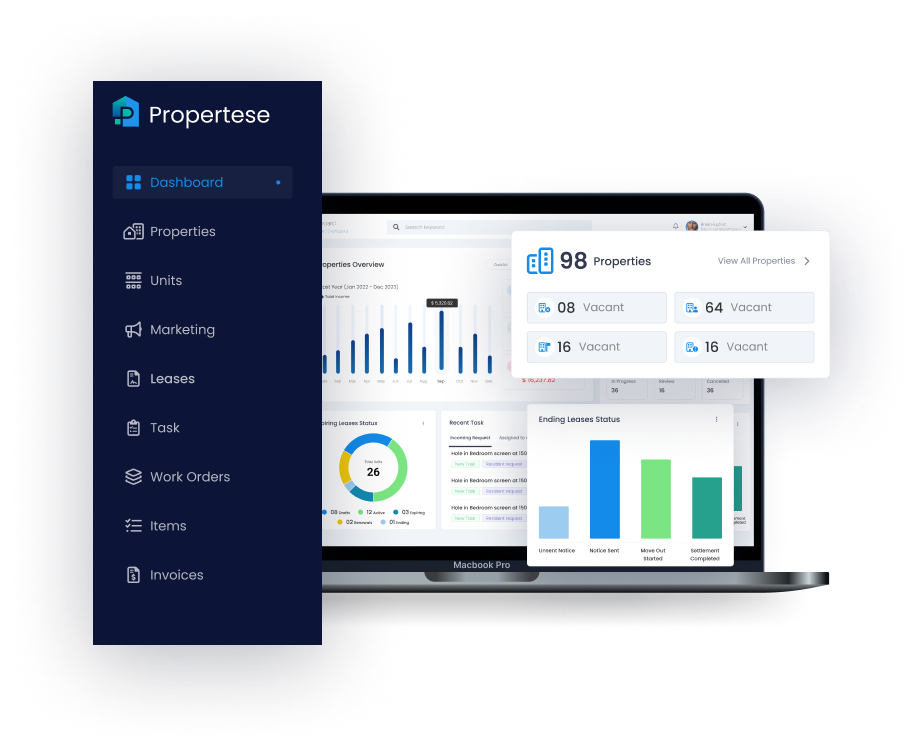
Contact Propertese to centralize compliance tracking, automate inspections, and manage documentation across your entire portfolio.
Table of Contents
Stay Updated
Subscribe to get the latest news, industry trends, blog posts, and updates...