Tenant turnover rarely shows up as a single line item—but it quietly drains revenue, time, and team capacity. If you’re evaluating tenant retention strategies because vacancy cycles feel harder to control or renewal conversations are getting tougher, you’re not alone. Retention has become one of the most reliable levers for protecting NOI in today’s operating environment.
This guide breaks down 12 proven, evidence-backed strategies that actually reduce tenant turnover. You’ll see what works in practice, what competitors often gloss over, and how to turn retention into a repeatable operating system rather than a last-minute save.
Key Takeaways
- Tenant turnover costs more than most operators’ models.
- 12 key retention drivers tenants consistently respond to.
- How to operationalize tenant retention across portfolios.
Why does tenant turnover cost more than most portfolios expect?
Turnover costs go far beyond lost rent. Make-ready labor, marketing lag, leasing time, administrative overhead, and delayed stabilization all add up. Research from the National Multifamily Housing Council estimates that a single unit turnover can exceed $3,500–$5,000, depending on asset condition and market.
This is why high-performing operators treat tenant retention as a financial control strategy—not just a leasing concern. Many follow structured tenant retention best practices to stabilize cash flow and reduce downstream operational strain.
What actually influences a tenant’s decision to stay?
Across industry surveys and portfolio data, three factors consistently shape renewal decisions:
- Speed of issue resolution
- Predictability of costs and policies
- Feeling informed and respected
The strategies below are structured around these drivers rather than surface-level perks or aggressive discounts.
1. Are you communicating before problems escalate?
Lack of communication rarely causes churn on its own—but it accelerates dissatisfaction. Tenants are far more tolerant of issues when expectations are clear and updates are proactive.
Effective operators standardize:
- Monthly operational updates
- Advance notice of inspections or disruptions
- Clear escalation paths
Clear policy communication is especially important around deposits and fees. Operators that focus on communicating security deposit policies clearly see fewer disputes and smoother lease exits.
2. How fast are maintenance issues actually resolved?
Maintenance responsiveness is one of the strongest predictors of tenant renewal. Surveys consistently show tenants prioritize speed and communication over perfection.
Retention-focused benchmarks:
- Emergency issues: same day
- Routine maintenance: within 48–72 hours
- Preventive inspections for older units
Fast response signals reliability—and reliability drives renewals.
3. Are rent payment policies flexible without sacrificing control?
Rigid rent schedules increase friction, especially for tenants with variable income. At the same time, unmanaged flexibility can impact cash flow.
Well-structured flexible rent payment options—such as split payments or short grace windows paired with automation—help tenants stay current while protecting revenue.
4. Do your policies feel consistent and fair?
Tenants don’t leave because policies exist—they leave because policies feel arbitrary or inconsistently enforced.
Retention-friendly policy frameworks:
- Use plain language
- Explain the reasoning behind rules
- Apply policies consistently across units
Fairness builds trust, and trust reduces turnover even when rent increases occur.
5. Are you segmenting tenants—or treating everyone the same?
One-size-fits-all retention doesn’t work.
High-performing portfolios tailor retention strategies:
- Families value predictability and stability
- Young professionals expect digital self-service
- Long-term tenants respond to recognition and continuity
Competitors often mention personalization but rarely operationalize it. Segmentation turns retention from reactive to intentional.
6. Are amenities aligned with how tenants actually live?
Amenities only retain tenants when they remove friction.
Consistently high-impact features include:
- Secure package handling
- Reliable parking or transit access
- Quiet work-from-home spaces
Before investing in new amenities, evaluate usage data. Removing pain points often outperforms adding features.
7. How predictable are rent increases?
Tenants are more likely to accept increases when they’re informed early and given context.
Best practices:
- 60–90 days’ notice
- Brief market explanation
- Optional early renewal paths
Predictability reduces resentment and last-minute move-outs.
8. Can tenants self-serve without frustration?
Modern tenants expect control over routine interactions.
Retention-supporting self-service includes:
- Online maintenance requests
- Digital payment access
- On-demand lease documents
Self-service reduces operational load while improving tenant satisfaction.
9. Are you acting on feedback—or just collecting it?
Surveys without action erode trust.
Effective feedback loops:
- Short, event-based surveys
- Issue tracking by category
- Visible follow-up actions
Competitors frequently mention surveys but fail to explain execution. Closing the loop is what protects retention.
10. Do tenants feel connected to the community?
Belonging increases stickiness—especially in multifamily settings.
Low-cost engagement ideas:
- Seasonal check-ins
- Digital community boards
- Local business partnerships
Community doesn’t require events—it requires consistency.
11. Are tenant chargebacks clear and defensible?
Confusing chargebacks are a common trigger for early exits.
Clear tenant chargeback workflows reduce disputes by:
- Defining billable categories upfront
- Providing itemized explanations
- Automating approvals and notices
12. Can you identify churn risk before notice is given?
The most overlooked retention lever is early detection.
Common churn signals:
- Repeated low-level maintenance requests
- Payment delays after a long on-time history
- Reduced portal engagement
Operators focused on improving tenant retention at scale track these signals to intervene early—before vacancy becomes inevitable.
Frequently Asked Questions
What are the most effective tenant retention strategies?
Fast maintenance response, clear communication, and predictable policies consistently outperform discounts.
Do rent discounts reduce tenant turnover?
Short-term, sometimes. Long-term, service quality and trust drive better results.
How often should tenants be surveyed?
After key events—maintenance completion or pre-renewal—not just annually.
Do flexible rent options increase late payments?
When structured properly, they often reduce negligence.
How can technology reduce tenant turnover?
Automation and dashboards improve response times and surface churn risk earlier.
Conclusion
Tenant turnover is usually a signal. The most effective tenant retention strategies focus on clarity, responsiveness, and fairness, then scale those behaviors across the portfolio. When retention becomes a system rather than a scramble, renewals rise and operational pressure drops.
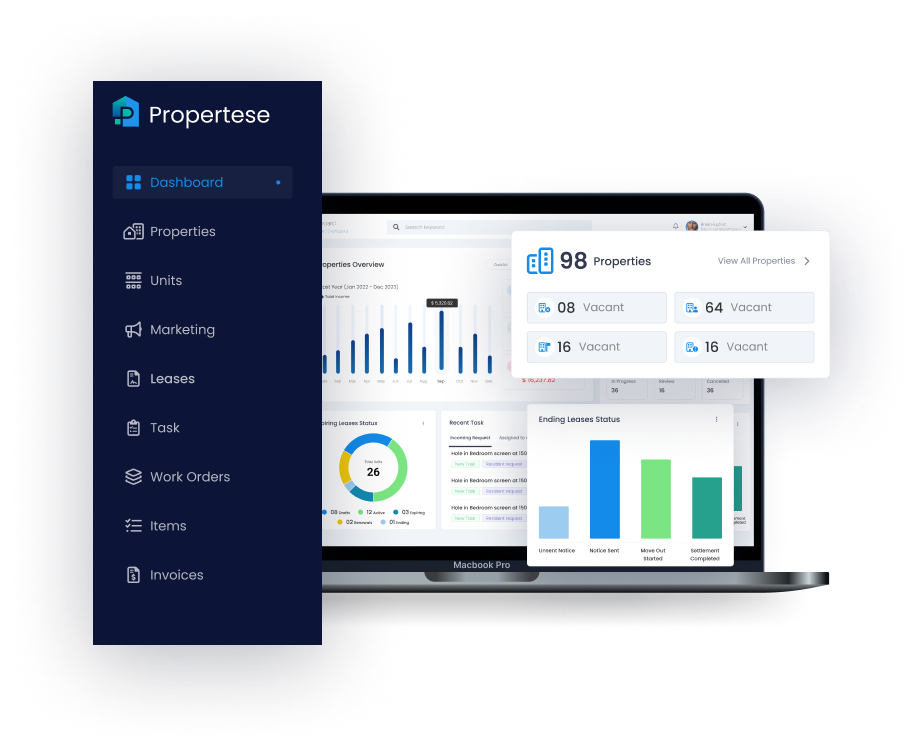
For teams managing property operations inside NetSuite, platforms like Propertese help translate these retention principles into execution—connecting leasing, maintenance, payments, and tenant communication within a single, NetSuite-integrated system. If you’re exploring ways to reduce turnover without adding complexity, it’s worth seeing how a unified property management layer can support long-term tenant relationships alongside your existing ERP.
Table of Contents
Stay Updated
Subscribe to get the latest news, industry trends, blog posts, and updates...