What You’ll Learn in This Guide:
✓ Complete 45-point winter property maintenance checklist organized by system (HVAC, plumbing, exterior, interior) so nothing gets missed during your seasonal inspections
✓ Real costs of skipping winter prep including average frozen pipe claims of $13,954, emergency heat repairs during peak season, and tenant turnover from cold-weather comfort failures
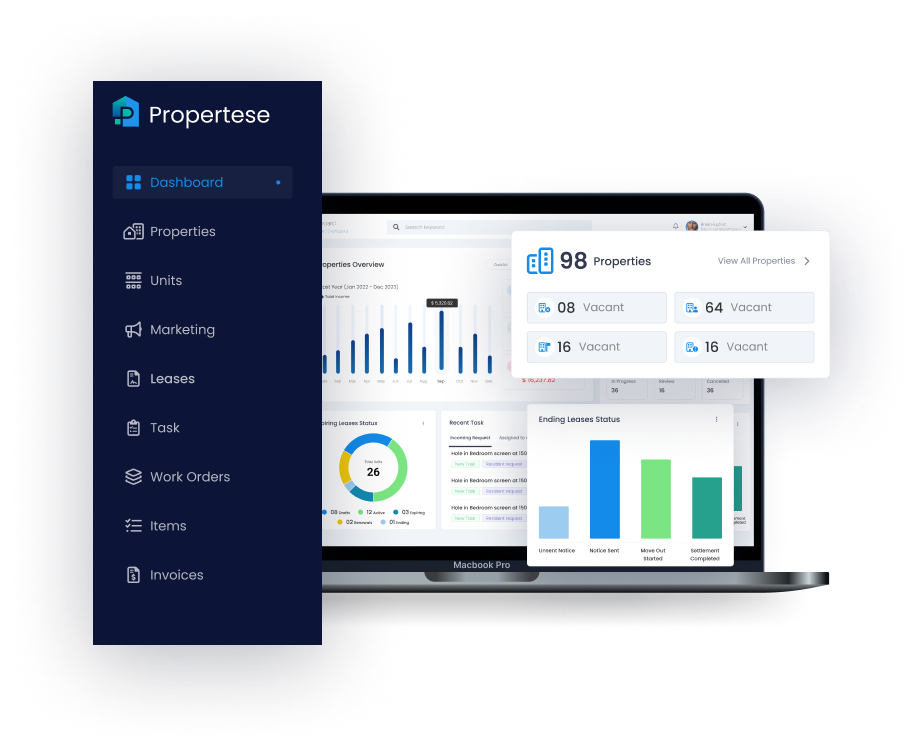
✓ How Propertese automates winter maintenance tracking through scheduled work orders, vendor dispatch, and completion verification so your properties stay protected all season
A hard freeze hits overnight. By morning, you have three emergency calls. Burst pipes in Unit 12. No heat in Building C. Ice dams flooding a fourth-floor apartment. Your phone rings non-stop while contractors quote 48-hour wait times and emergency rates double. The damage total hits $35,000 before lunch.
Every single issue was preventable with basic fall preparation.
Property managers who skip systematic winter maintenance face predictable disasters every season. The ones who prepare methodically using comprehensive checklists spend October and November preventing problems instead of December through March fighting expensive emergencies.
Why Winter Hits Property Managers Harder Than Other Seasons
Cold weather exposes every weakness in your properties. Small issues that went unnoticed in summer become expensive failures when temperatures drop.
Water damage and freezing account for 27.6% of all property insurance claims according to Insurance Information Institute data. The average insurance payout for these claims between 2018-2022 was $13,954 per incident.
What makes winter damage so expensive:
Frozen pipes don’t just leak. They burst. An analysis of 433 burst pipe claims found average losses of $27,000, with the most expensive single claim reaching $1.7 million.
HVAC failures peak in December when technicians are overbooked. Emergency service rates during holidays run 150-200% of normal pricing. Tenants without heat have legal grounds to withhold rent or break leases in most states.
Ice dams form when heat escapes through poorly insulated attics, melting roof snow that refreezes at eaves. Water backs up under shingles, flooding interiors and causing ceiling damage.
Slip-and-fall liability increases. Property managers face lawsuits when tenants or visitors injure themselves on icy walkways that property owners failed to treat properly.
The Complete Winter Property Maintenance Checklist: 45 Critical Points
HVAC Systems (Points 1-8)
1. Schedule professional furnace inspections before November. Technicians check heat exchangers, burners, ignition systems, and safety controls. Properties that skip annual inspections face 40% higher breakdown rates during winter.
2. Replace HVAC filters monthly during heating season instead of quarterly. Dirty filters reduce efficiency by 15% and stress systems working harder in cold weather.
3. Test all thermostats in heating mode. Verify accuracy using a separate thermometer. Replace batteries in battery-powered units.
4. Clean all heating vents and registers. Remove furniture blocking airflow. Vacuum dust buildup reducing output.
5. Inspect ductwork in accessible areas for gaps, disconnections, or damage. Seal leaks with metal tape (not cloth duct tape).
6. Test emergency heat switches and backup heating sources. Ensure tenants know how to activate if primary systems fail.
7. Verify carbon monoxide detectors near all heating equipment function properly. Replace units older than 7 years regardless of battery status.
8. Document HVAC service completion with contractor invoices, inspection reports, and photos of work performed.
Plumbing Systems (Points 9-16)
9. Insulate all exposed pipes in crawlspaces, attics, basements, and garages using foam pipe sleeves or heat tape. Pipes against exterior walls need extra protection.
10. Disconnect and store all outdoor hoses. Water left in hoses freezes back into faucets, cracking internal valve seats.
11. Shut off and drain irrigation systems completely. Use compressed air to blow out remaining water from all lines and sprinkler heads. Missed water in irrigation systems causes thousands in spring repair costs.
12. Install frost-proof covers on all outdoor faucets (hose bibs). If faucets aren’t frost-proof models, shut off interior supply valves and drain exterior spigots.
13. Verify tenants know how to drip faucets during hard freezes (slow drip from hot and cold sides). Send written notification 24-48 hours before predicted freezing temperatures.
14. Open cabinet doors under sinks on exterior walls during extreme cold to allow warm air circulation around pipes.
15. Inspect vacant units for winterization compliance. Heat must stay at 55°F minimum, or water must be completely shut off and all lines drained.
16. Locate and label main water shutoffs in every building. Ensure staff and on-call maintenance know exact locations for emergency pipe burst response.
Roof and Gutters (Points 17-22)
17. Clean all gutters and downspouts removing leaves, debris, and pine needles. Clogged gutters cause ice dams, water infiltration, and detached gutter systems.
18. Inspect roof for missing or damaged shingles before winter storms arrive. Schedule professional roof inspection for properties over 15 years old.
19. Check attic insulation levels. Insufficient insulation (less than R-38 in most climates) allows heat escape that melts roof snow and creates ice dams.
20. Verify attic ventilation works properly. Balanced intake and exhaust ventilation prevents moisture buildup and ice dam formation.
21. Inspect and seal roof penetrations including vents, chimneys, and skylights. Small gaps expand when water freezes, causing leaks.
22. Clear overhanging tree branches that could break under ice and snow weight, damaging roofs or blocking access.
Exterior Building Envelope (Points 23-30)
23. Inspect foundation for cracks. Water infiltrating cracks freezes and expands, worsening damage exponentially.
24. Walk building perimeter checking for gaps in siding, deteriorating caulk around windows and doors, and damaged exterior surfaces.
25. Replace weatherstripping on all exterior doors showing wear or gaps. Poor door seals waste 15-25% of heating energy.
26. Caulk window exteriors where old caulk has cracked or separated. Focus on north-facing and wind-exposed windows.
27. Inspect basement walls for moisture, efflorescence (white mineral deposits), or water stains indicating infiltration.
28. Test sump pumps if properties have them. Pour water into pit to verify pump activates and discharges properly.
29. Check exterior lighting including parking lot lights, entryway fixtures, and security lighting. Shorter winter days make lighting critical for safety.
30. Inspect railings and handrails for stability. Test that they support adult weight without movement. Loose railings create liability when tenants lose balance on icy surfaces.
Driveways, Walkways, and Parking Areas (Points 31-35)
31. Repair driveway and walkway cracks before freeze-thaw cycles worsen them. Fill surface cracks with appropriate sealant for material type.
32. Resurface severely damaged asphalt before winter. Potholes filled in cold weather don’t cure properly and fail quickly.
33. Stock salt, sand, and ice melt in quantities sufficient for entire winter. Buy early before supply shortages and price spikes during first storms.
34. Position snow shovels and ice scrapers at building entrances for tenant and maintenance use.
35. Install slip-resistant mats at all building entry points. These catch snow and ice from shoes before it melts on interior floors.
Landscaping and Drainage (Points 36-40)
36. Trim low-hanging branches and weak limbs before ice accumulation breaks them. Focus on branches over walkways, parking areas, and roofs.
37. Clear leaves and organic debris from around building perimeters. Wet leaves trap moisture against foundations and create drainage problems.
38. Verify soil grading directs water away from foundations. Poor grading allows water to pool and freeze at foundation walls.
39. Drain and winterize pool equipment if properties have pools. Frozen pool pumps and filters require expensive spring replacements.
40. Remove outdoor furniture cushions and store in protected locations. Winter weather deteriorates fabrics and fillings.
Interior Systems (Points 41-45)
41. Test smoke and carbon monoxide detectors in every unit. Replace batteries property-wide on a consistent schedule.
42. Inspect common area heating including lobbies, laundry rooms, fitness centers, and hallways. Cold common areas drive tenant complaints.
43. Check for drafts around electrical outlets and switches on exterior walls. Install foam gaskets behind cover plates to reduce air infiltration.
44. Verify emergency contact systems work. Test after-hours maintenance numbers, ensure voicemail boxes aren’t full, and confirm on-call staff receive alerts.
45. Review tenant lease requirements for winter responsibilities. Communicate expectations about thermostat settings, reporting issues promptly, and dripping faucets during freezes.
How Propertese Makes Winter Maintenance Systematic Instead of Chaotic
Property managers handling winter prep manually face impossible tracking challenges. Which properties got furnace inspections? Are all irrigation systems drained? Did someone check Unit 304’s exterior pipes?
Scattered checklists, verbal confirmations, and memory-based management guarantee missed items.
Propertese’s maintenance scheduling changes winter preparation from reactive scrambling to systematic execution.
Automated seasonal work order creation. Schedule all 45 winter maintenance points in September. The system automatically generates work orders for each property in October, assigns them to appropriate vendors or staff, and tracks completion.
Vendor dispatch with requirements attached. Send furnace inspection work orders to HVAC contractors including property-specific notes (unit locations, access codes, past issue history). Contractors receive everything they need without phone calls.
Photo and completion verification. Require vendors to upload photos of completed work (cleaned gutters, installed pipe insulation, tested thermostats). Visual verification confirms work happened correctly.
Automatic escalation for overdue tasks. If a property’s gutter cleaning isn’t marked complete by November 15, the system alerts management automatically. Nothing falls through cracks.
Property-level progress tracking. Dashboard shows which properties have completed winter prep and which are behind schedule. Prioritize attention on properties with incomplete tasks.
Historical records for future seasons. Next fall, pull reports showing exactly what was done, when, by whom, and at what cost. Refine checklist based on what worked and what didn’t.
Properties using systematic winter maintenance through Propertese report 65% fewer emergency calls during winter months compared to previous years relying on manual tracking.
Special Considerations for Vacant Units
Vacant properties face higher winter risks than occupied units. Without daily heating and monitoring, pipes freeze faster and problems go undetected longer.
Maintain minimum 55°F temperature throughout vacant units. Never turn utilities off completely in winter regardless of vacancy duration.
Drain water lines completely if the property will stay vacant all winter. Shut off the main supply, open all faucets, flush toilets until the tanks empty, and pour antifreeze in the toilet bowls and drain traps.
Schedule weekly vacant unit checks during freezing weather. Confirm heat is running, check for visible leaks or damage, and verify no frozen pipes.
Leave cabinet doors open under sinks to allow heat circulation around pipes.
Set lights on timers to discourage break-ins that become more common in vacant properties during winter.
Regional Winter Maintenance Variations
The 45-point checklist applies nationwide, but emphasis changes by climate.
Cold northern states (Minnesota, Wisconsin, Michigan, upstate New York, Maine) prioritize heavy insulation, high-capacity heating systems, and robust snow removal equipment. These regions face extended sub-freezing periods requiring maximum preparation.
Moderate zones (Pennsylvania, Ohio, Missouri, Kansas, Colorado) need full winter prep but can sometimes use lighter-duty solutions. Intermittent cold snaps interspersed with milder periods characterize these climates.
Warm southern states (Texas, Georgia, Tennessee, North Carolina) still require winter maintenance despite milder average temperatures. The 2021 Texas winter storm proved that unprepared properties in warm climates suffer catastrophic damage during unusual freeze events.
Properties in warm zones often lack proper pipe insulation because freezes are “rare.” When hard freezes hit unprepared properties, damage multiplies. One Georgia property management company faced $100 million in frozen pipe claims during the 2021-2022 winter season.
What to Do When Winter Maintenance Gets Skipped
Sometimes, circumstances prevent complete fall preparation. Budget constraints, staffing shortages, or simply running out of time before the weather turns mean some properties enter winter unprepared.
Prioritize emergency-prevention items immediately:
- Pipe insulation in accessible locations
- HVAC filter changes
- Gutter cleaning
- Exterior faucet winterization
Monitor weather forecasts closely. When hard freezes (temperatures below 28°F) are predicted, take emergency measures:
- Send tenant notifications about the faucet dripping
- Schedule quick property walk-throughs, checking heat and pipe access
- Pre-position snow removal equipment and ice melt
- Have an emergency plumber and HVAC contractors on standby
Address remaining checklist items as soon as possible even if winter has started. Late preparation beats no preparation.
Document what didn’t get done and why. Use this to justify budget increases or earlier scheduling for next year.
The ROI of Thorough Winter Preparation
Winter maintenance feels expensive in October when you’re writing checks for furnace inspections, gutter cleaning, and pipe insulation. The real expense comes in February when you’re writing checks for frozen pipe repairs, emergency HVAC replacements, and tenant damage claims that proper preparation would have prevented.
Cost comparison for 50-unit property:
Fall preventive maintenance: $3,500-$5,000
Average winter emergency repairs without prep: $15,000-$25,000
Properties with systematic winter maintenance report:
40-50% reduction in winter-related emergency calls
60-70% lower HVAC failure rates compared to properties skipping inspections
90% reduction in frozen pipe incidents
15-20% improvement in tenant satisfaction during cold months
Zero tenant-initiated lease breaks due to heating or cold-weather habitability failures
The properties that protect their assets, maintain tenant satisfaction, and control costs don’t hope for mild winters. They prepare systematically using comprehensive checklists executed consistently across all properties.
See how Propertese turns winter property maintenance from a seasonal crisis into systematic preparation with automated work order scheduling, vendor tracking, and completion verification across your entire portfolio. Our maintenance management tools help property managers complete all 45 winter prep points before the first freeze without missing a single property or task.
Schedule a demo and discover how Propertese keeps your properties protected all winter while reducing emergency calls and costs.
Table of Contents
Stay Updated
Subscribe to get the latest news, industry trends, blog posts, and updates...